Designing Effective Student Log Books
Whether you're a seasoned educator creating custom resources or a graphic designer venturing into educational publishing, the visual quality of your materials can profoundly impact their reception and effectiveness.
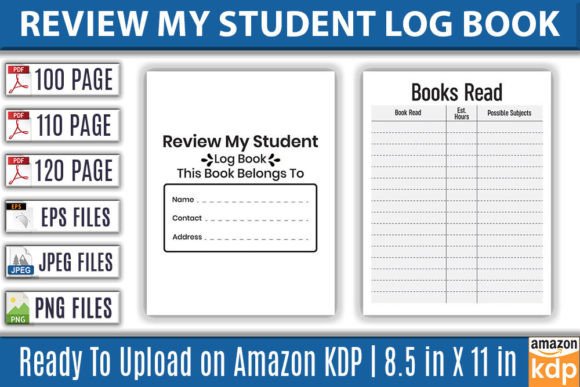
A well-designed student log book isn't just a functional tool; it's an engagement device, fostering organization and motivation through thoughtful visual design. This is where professional interior templates, like the Review My Student Log Book KDP Interio, become invaluable assets. They provide a structured, aesthetically pleasing foundation that you can adapt to your specific project, saving countless hours while ensuring a polished final product.
The Role of Design in Educational Materials
Modern graphic design principles extend far beyond mere decoration—they are central to clear communication and user experience. A log book with a chaotic layout or poor typography can frustrate a student, undermining its purpose. Conversely, a design with strong visual hierarchy, readable fonts, and intentional white space guides the user naturally, making the process of tracking progress or reflections intuitive and pleasant.
Applying these principles to educational templates transforms them from simple documents into effective tools. Consider these core applications:
- Branding & Professional Presentation: For schools, tutors, or educational brands, a consistently designed suite of materials builds trust and authority.
- User Experience (UX) Design: The layout dictates how a student interacts with the book. Clear section labels, logical flow, and accessible data entry fields are all UX considerations.
- Editorial Design: The arrangement of text, headings, and possible instructional graphics within each page follows editorial design rules to maximize readability and comprehension.
Evaluating a Template for Your Project
When selecting a pre-designed interior, look beyond the page count. Assess its fundamental design quality to ensure it aligns with your creative vision and practical needs. Key factors include:
Typography: Is the font selection clean and appropriate? Are heading styles distinct from body text to create a clear hierarchy? Good typography is essential for readability and sets the overall tone.
Layout & Composition: Examine the balance of elements on the page. Is there a sensible use of margins and spacing? A cramped layout feels overwhelming, while a well-composed one feels organized and approachable.
Scalability & Format: The availability of original editable files, like EPS, is crucial. This allows you to scale elements without quality loss and make precise adjustments to colors, fonts, and logos to match your specific brand identity or color palette.
The technical specifications of a template also speak to its professional readiness. A trim size of 8.5x11 inches is a standard and practical format. Having a print-ready PDF tested on Amazon KDP guarantees compatibility, while high-resolution 300 DPI files ensure crisp text and graphics in the final printed book. These details matter immensely for the final product's quality.
Practical Applications and Creative Adaptation
A robust interior template serves as a springboard for numerous creative projects. Beyond the primary use as a student log book, its structured design can be adapted for:
- Professional development journals for teachers.
- Customized habit-trackers or project planners.
- Branded materials for educational workshops or courses.
- Elements repurposed for digital marketing graphics or social media content announcing a new resource.
The inclusion of bonus files like transparent PNGs and high-resolution JPGs expands its utility. These assets can be seamlessly integrated into website design, UI elements for related digital apps, or promotional packaging design for a physical product bundle.
Your adaptation process should focus on consistency. If you're using this interior for a brand, ensure the colors and typography align with your existing brand identity. This cohesion across all touchpoints—from the log book to your website and social media graphics—strengthens brand recognition and presents a unified, professional image.
Beyond Aesthetics: Design as Communication
Ultimately, the goal of investing in a quality design foundation is to enhance communication. A visually coherent log book communicates care, organization, and respect for the user's time. It removes friction and allows the content—the educational process itself—to take center stage.
Thoughtful design choices in resources like the Review My Student Log Book KDP Interio demonstrate an understanding of modern aesthetics and user-centric design. They show that you value not only the functional outcome but also the experience of the person using your product. In a world saturated with visual information, that consideration is what sets apart amateur creations from professional, impactful ones.
By starting with a professionally tested and well-structured template, you free your energy to focus on customization and content, ensuring your final creation is both beautiful and brilliantly functional. The right creative assets don't just improve aesthetics; they elevate the entire communicative power of your work.