Skip Counting Dot to Dot Halloween
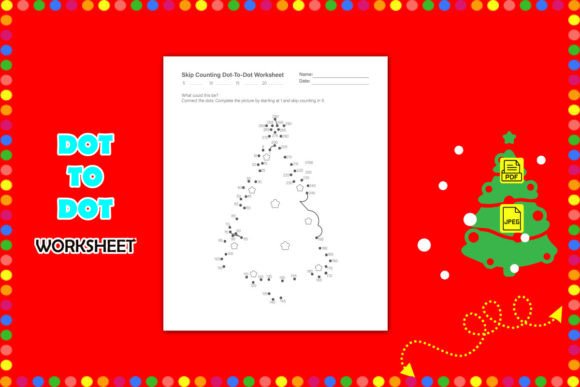
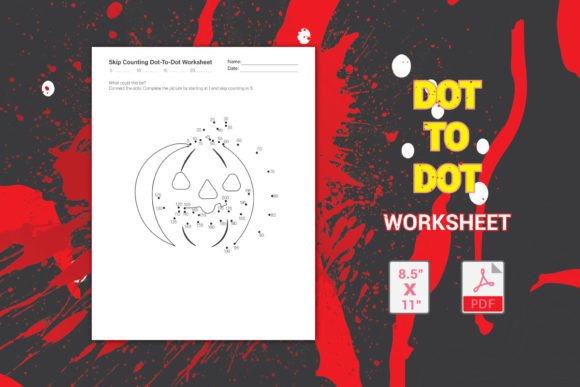
Beyond the festive charm of a Halloween picture, a Halloween Skip Counting Dot to Dot worksheet represents a fascinating intersection of educational content and graphic design. This printable activity, requiring students to connect dots from 1 to 200 while skipping five numbers each time, isn't just a learning tool—it’s a carefully crafted visual design asset. From a professional design perspective, such resources embody the principles of clear visual communication, engaging composition, and purposeful user experience, making them valuable for creators, educators, and marketers alike.
Consider the foundational graphic design elements at play. The worksheet's structure—the sequential dots forming a recognizable Halloween image—creates a powerful visual hierarchy. The learner's eye follows a predetermined path, guided by the numbered sequence, which is a core principle in editorial design and UI layout. This methodical progression from chaos to a coherent illustration mirrors the design process itself, where disparate elements are assembled into a unified, visually impactful final product.
Design Principles in Educational Assets
This dot-to-dot technique applies simple but effective visual design strategies. The use of clear, numbered anchor points ensures usability and minimizes confusion, directly supporting the user's journey—a key concern in UX design. The final act of coloring the revealed picture introduces concepts of color palette selection and application, allowing for creative expression within a structured framework. For designers, these elements highlight how constraints can foster creativity and how guided interactions can lead to satisfying outcomes, principles equally applicable to branding and digital marketing campaigns.
Practical Applications Beyond the Worksheet
The visual asset generated—a completed Halloween illustration—becomes a versatile creative asset. It can be repurposed across numerous design-driven projects:
- Branding & Merchandise: The clean, custom illustration can serve as a logo or icon for seasonal educational brands, or be featured on children’s apparel and products.
- Digital & Social Media Content: The engaging final artwork is perfect for social media graphics, website banners, or email marketing campaigns targeting parents and educators.
- Packaging & Print Design: The illustration’s style can influence the aesthetic of activity book covers, educational packaging, and promotional print materials.
Furthermore, the provided editable files (PDF, JPG, PNG) speak directly to professional design workflows. The 300 DPI JPG ensures high-quality reproduction for print design, while the editable PDF allows for seamless integration of typography, additional text, or brand elements, maintaining consistency across a brand identity system.
Integrating Design Thinking
Selecting and utilizing such a design asset effectively requires a designer’s mindset. Evaluate its scalability: will the illustration remain clear and appealing when used small as an app icon or large on a poster? Assess its compatibility with existing color palettes and typography choices to ensure a cohesive professional presentation. The worksheet’s requirement to “practice tracing lines” underscores the importance of foundational skills—in design, this translates to mastering basic tools and understanding composition before tackling complex projects like web design or advertising campaigns.
Ultimately, the Halloween Skip Counting Dot to Dot transcends its primary function. It serves as a case study in how thoughtful visual design—through structured layout, intentional user guidance, and quality asset creation—can enhance engagement, support learning objectives, and provide a springboard for wider creative projects. In the broader landscape of design, whether for branding, digital products, or marketing materials, the principles it embodies—clarity, engagement, and adaptable utility—remain essential for achieving both aesthetic excellence and effective communication.