Choosing the Right Word Search Puzzle Book: Why the Details Matter
For enthusiasts of puzzles and games, a collection like Word Search 128 Puzzles can be a treasure trove of entertainment and mental stimulation. Whether you're a hobbyist looking for relaxation, an educator seeking classroom activities, or a creator considering publishing, a well-designed puzzle book offers immense value. However, the appeal of a simple, ready-to-use product often leads to overlooking critical details that directly impact your experience. Choosing a puzzle book isn't just about counting pages; it's about evaluating the quality, format, and practicality of the entire package.
The Mistake of Assuming "All Puzzles are the Same"
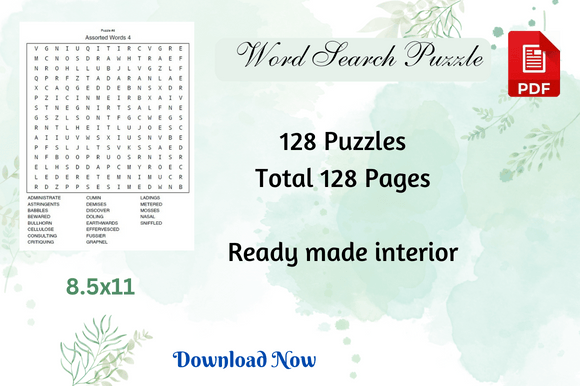
A common oversight is treating puzzle books as generic commodities. You might think any book with 128 puzzles will serve your purpose. This assumption can lead to frustration. The quality of a puzzle book hinges on several factors beyond the number of puzzles. For instance, a collection advertised as KDP Interior Ready must be properly formatted for the specific trim size—in this case, 8.5" x 11" with no bleed. A file that isn't correctly tested for this size can result in misaligned puzzles, cut-off words, or printing errors when uploaded to a platform like Amazon KDP. This not only ruins the presentation but can also delay or prevent publication for creators.
Imagine purchasing or downloading a file for printing, only to find the puzzles are crammed onto the page with tiny, illegible fonts, or that the layout forces you to waste paper adjusting margins. This affects usability, efficiency, and ultimately, satisfaction. The practical advice here is to always verify the technical specifications. Even if a product is labeled "ready for printing," confirm the trim size and the "no bleed" requirement, which means all content fits safely within the page borders. Look for mentions that the file has been formatted and tested, not just assembled.
Overlooking the Importance of a Solutions Section
Another frequently misunderstood detail is the value of a solutions key. The companion product, Word Search 128 Puzzles with Solutions, addresses a need many beginners and bulk buyers miss. Without solutions, a puzzle book can become less helpful for educators verifying answers, or for individuals who enjoy the satisfaction of checking their work. It also limits the book's utility for group settings or as a shared activity.
Consider an educator who buys a puzzle book for students. Without a provided answer key, they must solve every puzzle themselves first to create one, wasting valuable time. For the casual user, hitting a stubborn puzzle without a way to resolve it can lead to abandoning the book entirely. The better approach is to assess your primary need. If you are a creator, offering a version with solutions can make your product more attractive and versatile. If you are a consumer, checking whether a solutions book is available—or if the main book includes answers—should be part of your decision process. It enhances the quality and completeness of your purchase.
The Pitfall of Ignoring File Format and Structure
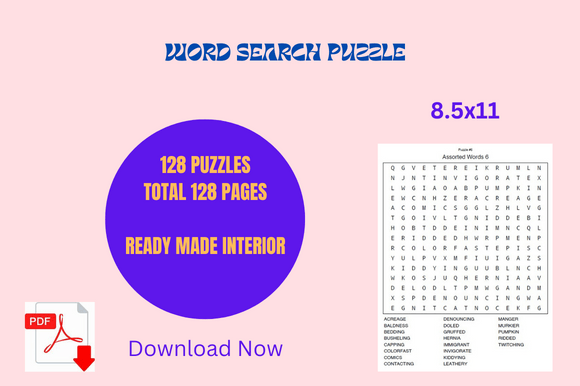
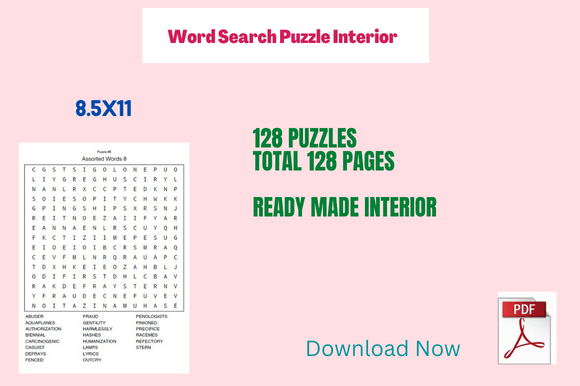
When dealing with digital products for print, like the described 1 PDF file ready to upload, the structure of that file is paramount. A mistake is to assume a single PDF is inherently user-friendly. How is it organized? With 128 pages and one puzzle per page, the flow should be logical and consistent. Poor file structure might mean puzzles are in a random order, or that pages are not optimized for clear, crisp printing. This can affect the professional appearance of a printed book.
For entrepreneurs or marketers using such books as promotional gifts or physical products, a poorly structured interior reflects poorly on their brand. The corrective advice is to seek clarity on the interior layout. Before finalizing a decision, if possible, look for a sample page or a description confirming that all content is newly generated (avoiding duplicate or recycled puzzles from other sources) and that the design is clean and professional. A natural semantic term here is "print-ready interior," which implies attention to typography, spacing, and visual balance.
Why "New Generated Content" is a Critical Checkpoint
The requirement that all of content is New generate is not a trivial point. In the puzzle world, recycled or templated puzzles are widespread. Using a book with reused puzzles means solvers might encounter the same word lists they've seen before, drastically reducing the challenge and enjoyment. For creators, publishing non-original content can even lead to copyright issues or negative reviews from savvy customers.
This affects the perceived quality and longevity of the product. A book with fresh, original puzzles keeps users engaged and provides genuine value. As a practical step, you should prioritize products that explicitly state their content is newly generated. This is a sign of a thoughtful product designed for a good user experience, rather than a quick, assembled compilation. It's a better choice that supports sustained satisfaction.
Balancing Volume with Practical Use
With 128 puzzles, the volume is substantial. A mistake, however, is to focus solely on the high page count without considering how you'll actually use it. For a casual hobbyist, 128 puzzles might be overwhelming if the themes are monotonous. For a professional educator, they might be perfect for a long-term curriculum if the themes are varied and appropriately challenging.
Before committing, think about your application. Will you use it for daily personal relaxation, weekly classroom activities, or as a one-time print product? Evaluate if the puzzle themes (even if not listed, the fact they are new suggests variety) align with your audience or personal interest. This avoids the scenario of buying a large-volume book that sits unused because it doesn't match your needs. The helpful approach is to match the product's scale to your actual usage pattern.
Choosing a puzzle book, whether it's Word Search 128 Puzzles or its solutions companion, requires a mindful approach. By avoiding these common mistakes—neglecting technical specs, overlooking solutions, ignoring file structure, accepting recycled content, and mismatching volume with use—you ensure a better outcome. You gain a product that is truly ready for its purpose, offering efficient, high-quality, and satisfying engagement for solvers, educators, and creators alike. Always check the details; they transform a simple purchase into a smart investment in entertainment and utility.