Crafting Your Culinary Legacy: The Ultimate Recipe Journal Interior
Imagine this: you’ve spent years perfecting your grandmother’s signature stew, tweaking the spices, adjusting the cook time until it’s just right. The recipe lives on a scrap of paper tucked in a drawer, or maybe in a dozen different notes on your phone. For food lovers, family historians, and home chefs, this scattered approach is a common frustration. Our culinary creations deserve better. They deserve a dedicated, beautiful, and organized home. This is where a professionally designed Recipe Journal Interior KDP Interior becomes an indispensable tool. It’s more than just a template; it’s a ready-to-publish foundation for turning your personal recipe collection into a tangible, sharable artifact.
What Exactly Is a Recipe Journal Interior?
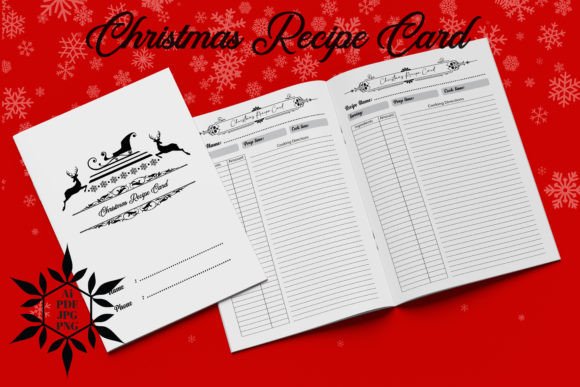
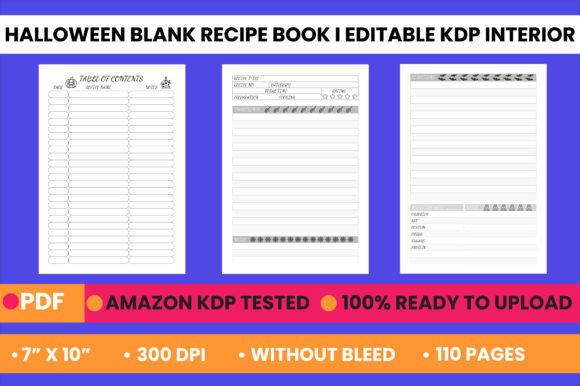
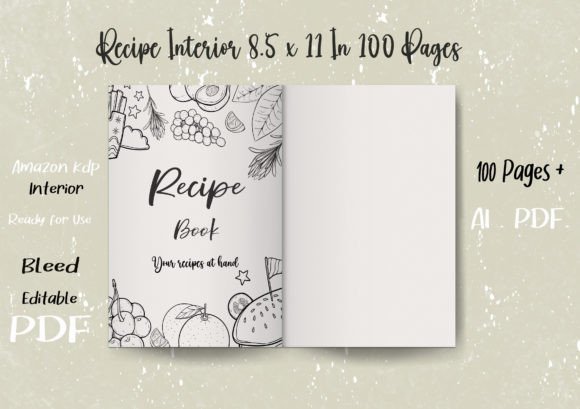
At its core, a Recipe Journal Interior is a complete, pre-formatted layout designed for publishing a physical recipe book. The term "KDP Interior" specifically means it’s engineered for Amazon’s Kindle Direct Publishing platform, the world’s leading print-on-demand service. This particular interior, tested and proven on Amazon KDP, provides a 120-page structure with a standard 8.5 x 11-inch trim size. The high-quality 300 DPI print-ready PDF ensures crisp text and images, while bleed settings guarantee professional edges if you choose a full-color design. The key point is that it’s not just a digital document; it’s a production-ready file that eliminates the technical hurdles of formatting a book for commercial print.
The Real-World Need for a Structured Recipe Collection
People don’t just wake up wanting to format a book. The desire stems from real situations. Perhaps you’re a parent wanting to compile family recipes for a child moving away, creating a kitchen survival guide filled with home-cooked comfort. Maybe you’re a food blogger whose audience has been begging for a physical collection of your popular posts. Or you could be a community group leader organizing a fundraiser cookbook featuring members’ best dishes. In each case, the challenge isn’t the recipes—it’s the presentation. Manually designing pages, ensuring consistent margins, and creating a print-proof file is time-consuming and technically daunting. A ready-made interior solves this by providing the scaffold, allowing you to focus entirely on the content: your food and your stories.
Diverse Applications: From Personal Heirlooms to Professional Projects
The utility of a tested Recipe Journal Interior extends far beyond a single use case. Its design accommodates a spectrum of users and goals.
For the Personal Archivist and Family Historian
This is about legacy. You use the interior to build a bound volume that becomes a family heirloom. Each page can hold not just ingredients and steps, but the story behind the recipe—who invented it, the memory of a holiday meal, a photo of the dish. The 120-page count offers ample space for a comprehensive collection. The outcome isn’t just a book; it’s a preserved slice of family culture, something tangible to pass down that a digital folder cannot match.
For the Culinary Entrepreneur and Small Food Business
If you sell homemade sauces, spice blends, or run a small catering service, a recipe book can be a powerful marketing tool and value-added product. Using the interior, you can publish a companion cookbook that showcases how to use your products. This builds brand loyalty and provides customers with a useful resource. The KDP-tested format means you can list it on Amazon alongside your physical products, creating a new revenue stream with minimal overhead. The professional print quality ensures it reflects the quality of your brand.
For the Community Organizer and Fundraiser
Church groups, school committees, and non-profits often use community cookbooks for fundraising. The traditional method involves collecting handwritten recipes and struggling with layout. A Recipe Journal Interior standardizes this process. A coordinator can collect submissions, input them into the uniform template, and rapidly produce a professional-looking book to sell. The bleed settings are crucial here if the group wants to include colorful community photos alongside the recipes.
For the Blogger and Content Creator Expanding Their Reach
Digital creators often seek to monetize their expertise in new formats. A food blogger with a successful website can use this interior to quickly create a premium "Best Of" collection for their audience. The editable, AI-ready files allow for easy integration of their existing content. Publishing a physical book through KDP adds credibility, offers a product for affiliate promotions, and meets audience demand for a offline, kitchen-friendly version of their online work.
Connecting Features to Tangible Outcomes
It’s easy to list features like "120 pages" or "300 DPI." The real question is: what do these qualities actually do for the user?
- 120 Pages: This isn't just a number. It provides enough room for a substantial collection—perhaps 100 recipes with space for notes and photos—without the book becoming unwieldy or too costly to print. It strikes a balance between comprehensiveness and practicality.
- Trim Size 8.5 × 11: This standard size feels familiar and kitchen-friendly. It’s large enough for clear, readable text and attractive photo placement, but still fits comfortably on a countertop or bookshelf.
- 300 DPI & Bleed Settings: These are the technical pillars of professional print quality. 300 DPI means your uploaded PDF will render sharp text and images in the final book. Bleed settings mean if you want background colors or full-page images, they won’t have awkward white borders. Together, they guarantee the final product looks like a professionally published book, not a homemade pamphlet.
- KDP Tested & Print-Ready PDF: This is the ultimate peace-of-mind feature. "KDP tested" means the file has been validated against Amazon’s often-unpredictable printing engine. It eliminates the anxiety of uploading a file only to receive a rejection email due to margin issues or color space errors. It translates directly to saved time and avoided frustration.
What to Consider Before Using a Pre-Made Interior
While a Recipe Journal Interior KDP Interior dramatically simplifies the process, successful use depends on a few considerations. First, assess your content volume. Does your project fit comfortably within the 120-page framework, or will you need to combine multiple interiors? Second, think about customization. The interior provides the structure, but your personal touch comes from the recipes, stories, and any images you add. Ensure you have those elements organized. Finally, understand your publishing goal. Are you creating a few copies for family, or aiming for public sale on Amazon? For public sales, you’ll need to consider cover design, pricing, and marketing alongside the interior.
The beauty of this tool is that it handles the complex technical part—the formatting for commercial print—so you can channel your energy into the creative and personal part: curating and sharing the recipes that matter. Whether you’re safeguarding family traditions, building a business brand, funding a community cause, or expanding your creative portfolio, a tested, ready-to-use interior transforms the idea of a recipe book from a daunting project into an achievable, and deeply rewarding, reality.