Cultivating Culinary Curiosity: The Rise of the Restaurant Review Journal
In an age defined by digital experiences, a return to the tactile pleasure of pen and paper marks a significant cultural shift. The Restaurant Review Journal KDP embodies this movement, transforming the simple act of dining into a documented journey of taste and memory. Far from being just a notebook, it is a curated tool designed for both personal enrichment and entrepreneurial opportunity, sitting at the intersection of lifestyle passion and savvy low-content publishing.
Beyond the Digital Review: Capturing the Personal Dining Narrative
Platforms like Yelp and TripAdvisor have democratized public opinion on restaurants, but they often prioritize the snapshot—a single rating, a brief comment. The Restaurant Review Journal serves a different, more intimate purpose. It allows individuals to build a continuous, private narrative of their culinary explorations. This practice aligns with growing trends towards mindfulness and intentional consumption. People are seeking to deepen experiences, not just consume them passively. Journaling a meal encourages one to slow down, consider flavors, ambiance, and service in detail, fostering a more profound connection with the art of dining.
The Anatomy of a Purposeful Journal
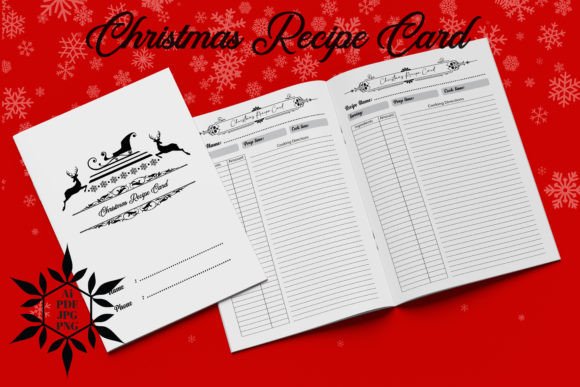
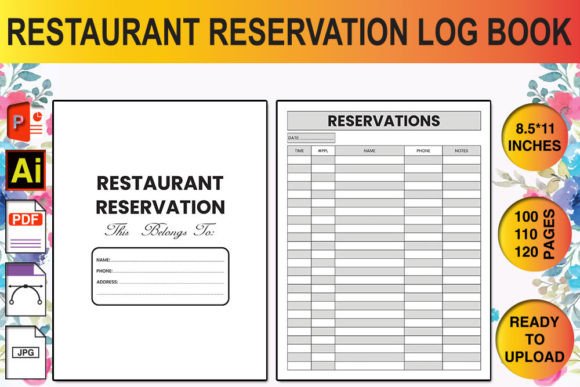
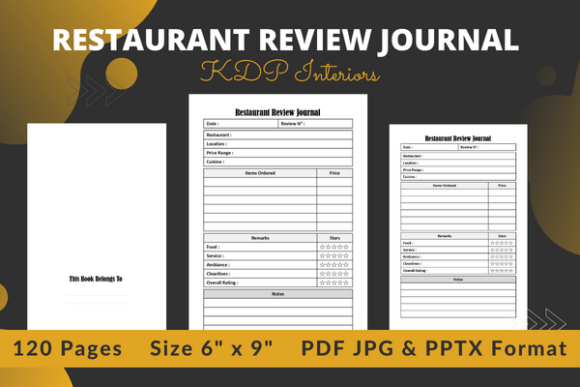
A well-designed Restaurant Review Journal KDP product typically offers structured prompts: spaces for the restaurant name, date, cuisine type, dishes sampled, ratings for food, service, and ambiance, and notes for standout elements or disappointments. This structure provides a framework without constraining creativity, guiding the user to reflect on aspects they might otherwise forget. The physical act of writing itself aids memory retention, creating a tangible archive of personal gastronomic history that a digital list cannot replicate.
Positioning Within the Low-Content Publishing Boom
The success of the Restaurant Review Journal is inextricably linked to the explosive growth of the low-content and no-content book market on platforms like Amazon KDP. This model caters to creators and entrepreneurs looking for streamlined, scalable business opportunities. Journals, planners, logbooks, and templates require minimal original writing but offer immense value through their design and functionality. The Restaurant Review Journal KDP fits perfectly into this ecosystem, addressing a specific niche—food enthusiasts—with a product that is both useful and emotionally resonant.
Market trends show a rising demand for specialization. Generic notebooks are abundant; specialized journals meet a focused need. The restaurant review niche taps into vast, overlapping consumer interests: foodie culture, travel, lifestyle blogging, and memory preservation. For the KDP publisher, it represents a clear path to a target audience. For the consumer, it offers a product tailored precisely to their hobby, reducing the need to adapt a generic notebook for their purpose.
Meeting Modern Creator and Consumer Expectations
Today’s consumers, particularly professionals, creators, and enthusiasts, expect tools that integrate seamlessly into their workflows and passions. They value:
- Design Efficiency: A journal that is intuitively laid out, saving time and enhancing the experience.
- Print-Ready Quality: High-resolution, properly formatted interiors for a professional feel.
- Customization Potential: Many seek editable files (like PPTX) to add personal touches before printing.
- Instant Accessibility: Ready-to-upload PDF files meet the demand for rapid digital product deployment.
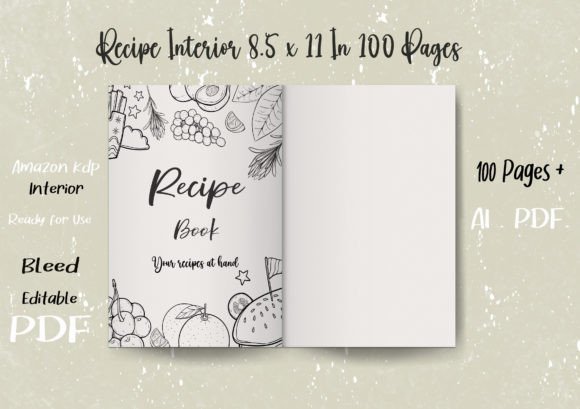
A KDP-ready Restaurant Review Journal product, offered as a 6x9 inch, 120-page interior with no bleed, directly fulfills these expectations. It provides a complete, polished foundation upon which both sellers and end-users can build.
The Practical Applications: From Personal Use to Professional Tool
The utility of a Restaurant Review Journal extends beyond the individual diner. Consider the food blogger who uses it to draft detailed notes before crafting a public post. Imagine the freelance food critic developing a consistent rating system across assignments. Travelers can compile a trip’s culinary highlights in one dedicated place, creating a richer souvenir than photos alone. Even culinary students or aspiring chefs might use it to analyze menus and techniques systematically. This versatility underscores its relevance; it is a tool for organization, analysis, and creativity.
A Bridge Between Analog Tradition and Digital Business
Interestingly, the journal’s analog nature fuels a digital business model. Creators design and sell these journals online, often as digital files or print-on-demand products. This synergy reflects a broader development where traditional hobbies (like journaling) are supported by modern technology (e-commerce platforms like KDP). The product satisfies a yearning for physical interaction while being distributed through purely digital channels. It’s a compelling example of how classic human practices adapt and thrive in the contemporary marketplace.
Why the Restaurant Review Journal Resonates Now
Several converging cultural and technological currents explain why products like the Restaurant Review Journal are gaining attention.
- The Value of Curated Experience: In a world of infinite choice, curation is a premium. This journal curates the user’s own experiences, helping them make sense of and value their culinary adventures.
- The Rise of the Foodie as Identity: Culinary expertise is a popular form of self-expression and social capital. A dedicated journal legitimizes and deepens this hobby.
- The Entrepreneurial Accessibility of KDP: The low barrier to entry for creating and selling such journals allows countless entrepreneurs to participate, increasing market supply and variety.
- The Reaction to Digital Overload: Physical journaling offers a screen-free respite, a moment of focused reflection away from notifications and algorithms.
Larger Developments and Future Relevance
The significance of the Restaurant Review Journal concept connects to larger developments in consumer behavior and micro-entrepreneurship. The demand for niche, functional products is rising across sectors. Furthermore, the growth of the creator economy empowers individuals to turn their passions—even something as specific as restaurant reviewing—into products that serve a community. As dining continues to evolve, blending with travel, social media content creation, and experiential tourism, tools that help document and analyze these experiences will remain pertinent.
Ultimately, the Restaurant Review Journal KDP is more than a product; it is a response to a modern desire. It answers the need to engage more deeply with our pleasures, to systematize our passions, and to find business opportunities within authentic human interests. Whether used to chronicle a lifetime of meals or to build a thriving low-content publishing venture, it stands as a testament to the enduring power of combining thoughtful design with a simple, universal idea: the love of a good meal, remembered and recorded.